How to Travel Full Time: 8 Proven Tips from a Dirtbag
Lala and I had always wanted to travel full time for a while.
But we really didn’t have the funds.
That is, until we had to sell everything, leave Colombia and move to the US and it was now or never.
But we STILL didn’t have the funds.
So, we designed a plan that would work WITH our small budget.
The only way we could afford it was to sleep in our car while we road tripped the USA.
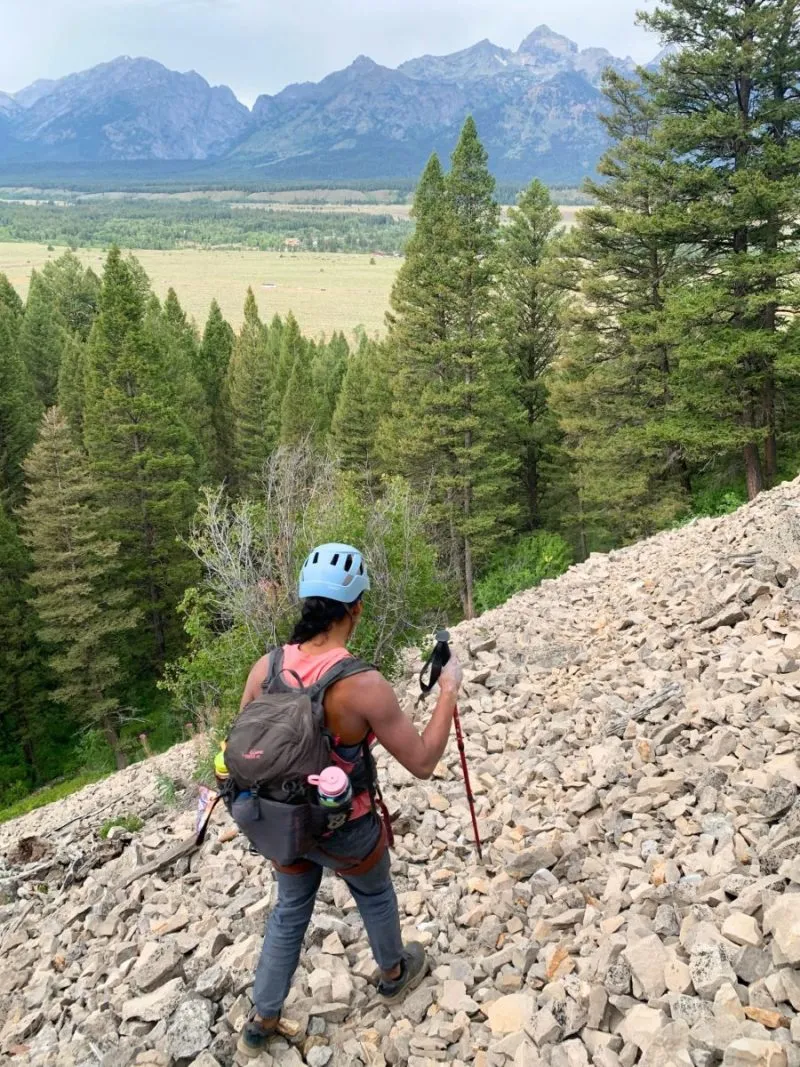
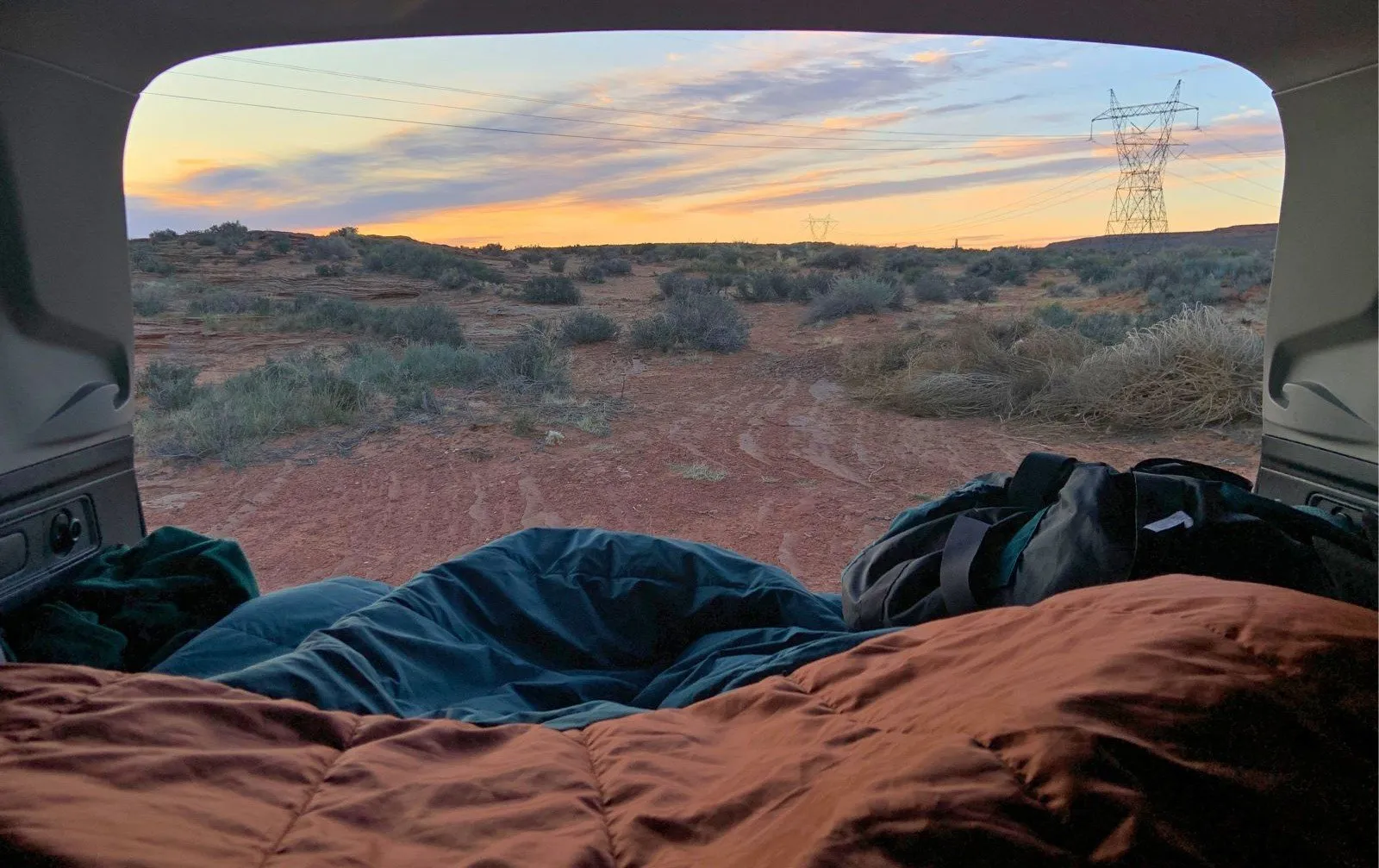
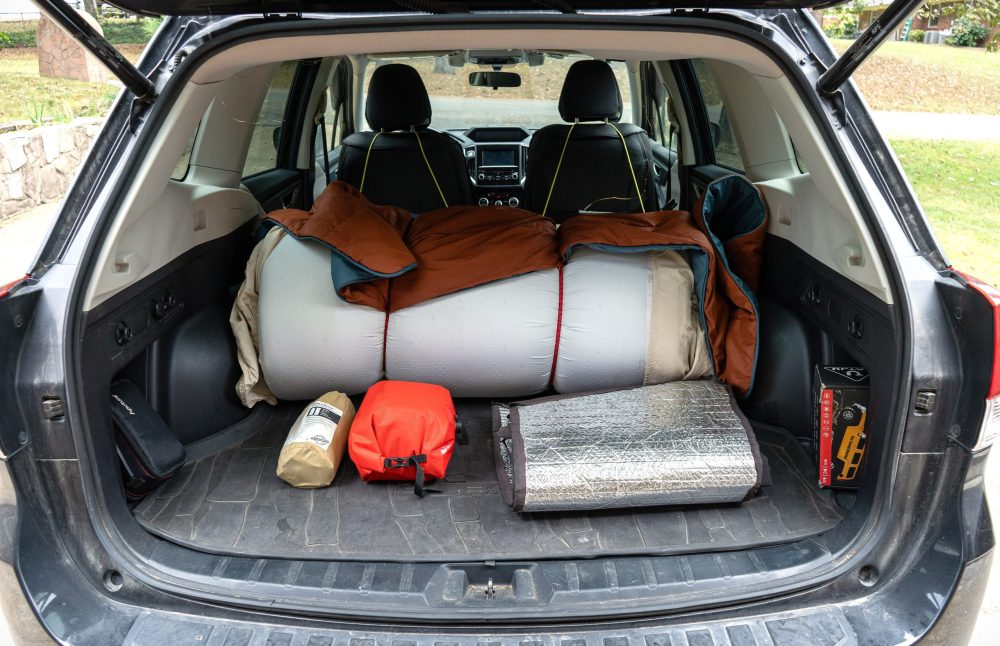
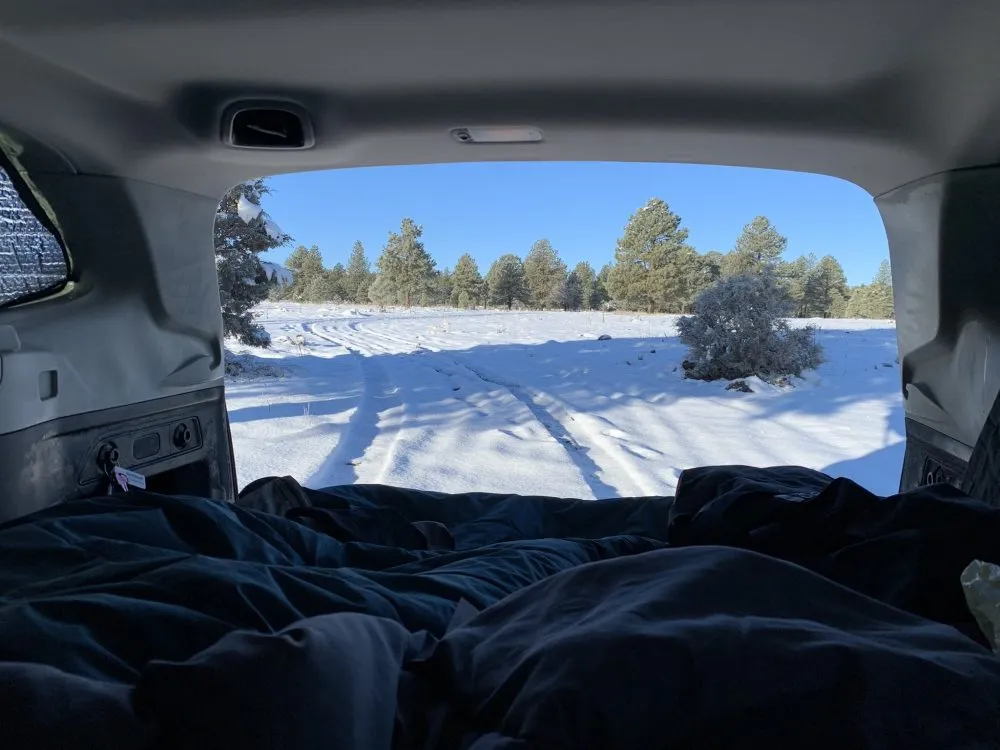
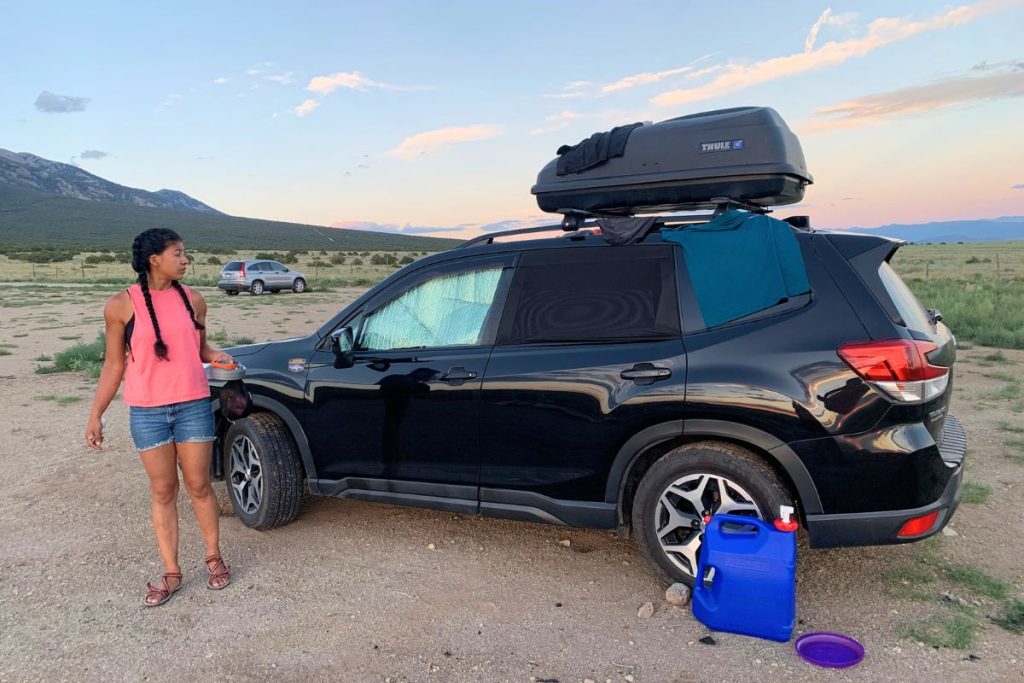
We ended up living in our Subaru Forester for two years.
We circled the country twice.
And it was CHEAP!
So, if you’re wondering how to travel full time, the answer is to go car camping long-term.
But there’s more to it than the physical act of SUV camping.
Embracing the dirtbag mindset is also what makes it possible, and I want to share everything with you so you can do it to.
Some of the tips I’ll be sharing are:
- How to not pay for lodging
- How to spend less in daily life
- How to make work work
- Out actual budgeting and saving strategies
Disclosure: This blog has affiliate links, and it’s how I can keep doing what I love. If you book something, I might make a commission with no added cost to you. Thanks for the support!
What is the dirtbag mentality?
A dirtbag is very similar to a digital nomad.
But digital nomad is such an influencer term that I kind of hate it.
The dirtbag mindset is a little different.
A digital nomad might think, “Great! I get to work anywhere!”
Meanwhile, a dirtbag thinks, “Great! I can be anywhere. How can I make this work?”
The mindset acknowledges something important, which is that full-time travel isn’t always a perfect vacation on the beach.
You aren’t always living your best (Instagrammable) life.
Especially when you’ll do anything to make it work…
… like living in an SUV to cut costs.
So, I’m splitting the dirtbag mentality into 3 categories:
1. Spending less
2. Earning more (and I don’t just mean money)
3. Being smart to do more
Understanding the dirtbag mentality and applying it to life helps lower costs during travel.
It also provides tools to make sacrifices and save more.
Let’s get into these tried-and-true tips!

Spending Less to Travel Full Time
The easiest thing to change so that you can travel full time is the money you spend.
But you don’t have to live like a monk.
The key is to focus on the biggest expenses, like lodging, and try to find alternatives.
So, the number one thing you can do is…
1. Don’t pay for Lodging – Camp for Free
The most expensive part about travel is lodging.
A budget hotel is at least $100 a night and campgrounds can cost $35 a night, which is ridiculous.
So, the best way to spend less to be able to travel full-time is:
- Sleep in your car (cheap, long-term setup)
- Sleep in free/cheap campgrounds
The COST of Car Camping
There are 2 expenses in car camping:
- Buying all your gear
- Paying for campgrounds sometimes
When it comes to gear, it cost over $1,000.
The thing is, we had to buy everything because we had just moved to the USA.
You probably have a lot of the gear already if you have any camping gear.
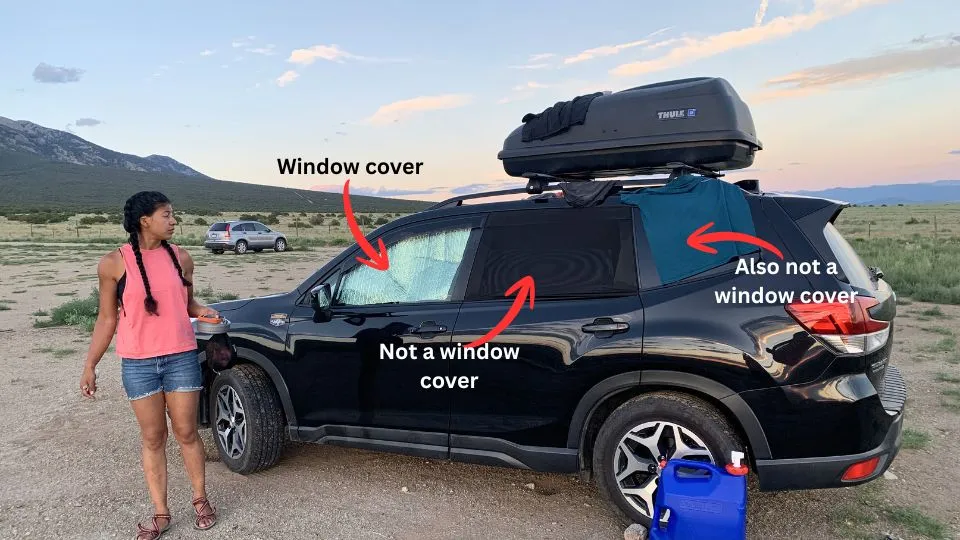
And, to keep costs down, you’ll also want to buy a lot of gear second-handed (like the cargo box).
A simple car camping setup is the best setup, and if you’re interested I recommend you check out my full guide to car camping essentials.
When it comes to the cost of camping, we spent $147 a month because we stayed in a few paid campgrounds.
But that only happened when we stayed in one place for a long time, and especially on the east coast.
The best road trips we did, jumping from one destination to another, were free.
We paid $0 on lodging during all these road trips:
- Grand Circle road trip (through Utah, Arizona, and New Mexico)
- Colorado road trip
- Rocky Mountains road trip (Colorado to Montana)
- Parts of the California and PNW road trips!
So, it’s possible to lower lodging expenses to almost nothing!
However, it does mean more driving and some discomfort, so let’s see if car camping is for you.
The Pros and Cons of Car Camping
Sleeping in a car can be hard!
So here are some quick pros and cons of car camping so that you can start thinking about whether it’s the right thing for you.
Pros of car camping:
- Quick setup and takedown to sleep (no tent)
- You can sleep anywhere (unlike a tent)
- Comfier than a tent (with the right setup)
- WAY cheaper than hotels
- Sleep close to destinations
Cons of car camping:
- Tight space gets boring (especially for couples)
- Not a real bed
- Sometimes you have to drive a lot (when free camping)
- Usually have to cook outdoors
Now, the key to travel full time is to love it.
If you don’t, you’re going to quit.
So, there are things you can do to make it better so that you actually last.
The most important thing for me, and I know it’s the same for most people, was to be able to sleep well.
The second most important thing was to make cooking simple and stress-free.
My full guide to SUV camping goes over every single thing we did to be able to live in our SUV for 2 years.
Read it to understand the full setup!
The Best Alternative – Trusted HouseSitters
If car camping is NOT for you, there are other ways to get affordable lodging.
We checked out couch surfing and other things, but ended up choosing to do Trusted HouseSitters and it was the BEST decision ever.
Over our 2nd year of full-time travel, we car camped but also stayed in people’s houses all over the west coast.
How does Trusted HouseSitters work?
You pay $300 for a full year on the platform (that’s the Premium version, and it’s the best option).
Then, you can apply to take care of people’s pets and houses anywhere they need it.
If you know where you’ll be travelling (like we were going up the west coast) you can apply to different houses along the way and plan your road trip accordingly.
We stayed at over 20 gorgeous houses (so, around 150 nights for $300).
It’s an amazing option for getting to know cities and places less likely to have free camping (like the Bay Area and Seattle).
2. Embrace the Dirtbag Lifestyle
If you’re wondering how to travel full time and really want to, you need to make the right sacrifices.
But it’s up to you (and your budget) how much of a dirtbag you have to become.
For example, our budget was VERY low, so we have to keep our standards low.
And there were 3 main things we knew we just had to do:
- Driving extra to sleep in free campgrounds.
- Cooking all our food.
- Doing free outdoor activities all the time.
And that was perfect!
But we weren’t full-on dirtbags.
We showered often (Planet Fitness), we kept our car clean, and we ate healthy.
So what can that look like for you?
My recommendation: create a realistic budget with the money you’ll have while traveling full-time.
Establish the essentials you will NOT give up.
Then, start experimenting to see what you need to cut out and what you can keep.
But don’t make it all about money. Make it about sustainability too.
If you hate cooking outdoors, don’t force yourself to do it all the time for the savings – you’ll just burn out.
Again, full-time travel is hard, so you also need to make it sustainable for yourself.
Just play around with what works best for you and don’t worry if you don’t get it right immediately – nobody does!
3. Don’t pay Rent (extreme)
This isn’t the most realistic tip, but it’s what gave Lala and I the freedom to travel full time.
We had just moved to the USA, so we didn’t have a place to live and we owned nothing.
The first thing we did was buy a car to live in and then we set off!
If you’re wondering how to travel full time, I seriously recommend either renting out your place or putting all your belongings in storage.
That way, you have 2 things going for you:
- Nothing is tying you anywhere.
- Your biggest expense in life is gone.
Both of these factors lessen the mental baggage of full-time travel and car camping and make it easier to just keep going.
Our expenses were so low from not paying for lodging, living like dirtbags and not paying rent.
Car camping and traveling full time on a budget was so cheap that we were actually able to SAVE money while we lived on the road.
We had awesome jobs that gave us the flexibility we needed – so now let’s talk about making money.
How to Work to Travel Full Time
Since traveling full time can be cheap, work isn’t about earning more – it’s about getting more out of your job.
What you need isn’t more money – it’s most likely time or freedom.
This is hard in the short-term but makes it easier to travel full time in the long-term.
1. Work Remotely
Working remotely makes traveling more of a possibility.
I was only able to travel full-time because I have a super flexible remote job.
I’m a English-Spanish translator, and I don’t love the work but I’ve built it up because I LOVE the freedom it gives me.
It may take years, but you can design a life that works for you if you’re passionate about it and work hard and long for it.
Jobs you can do on the road
Here’s a list of jobs you can do to help you travel full time.
Some are jobs I’ve done, and others are jobs my full-time traveler friends do (I’ll let you know which each is).
- Translating (my main job). It obviously only works if you know 2 languages very well, but it’s ideal if you can do it.
- Programming (friends do it). This industry has changed a lot recently, but I have friends making big bucks and traveling full time while programming part-time.
- UGC (I do it). If you’re comfortable on camera, you can sign up for Billo, Collabstr, Vidsy or Clip to make video ads and reviews for random companies. I haven’t made a lot from it, but it’s an awesome side gig.
- Training AI (I do it). You can apply to Outlier or Handshake AI, the two platforms I’ve used, to train AI to be better.
But that’s if you really have to switch jobs.
Ideally, you just do your usual job from the road – just less of it!
A great way to continue doing your job, but while traveling full time is to do it as a freelancer.
That comes with all its own challenges, but I love freelancing.
2. Rent out your Home (passive income)
If you own a home, renting it out could cover over half your travel expenses.
That’s especially true if you go low-budget by car camping for free.
It’s passive income so that you can focus on your travels.
And I know passive income is a trendy term, but it really is ideal for full-time travel.
The only passive income I’ve ever been able to get was making review videos as an Amazon Influencer.
It only brought in a couple hundred dollars a month, but at least it paid for most of our groceries!
How to Be Smart to Travel Full Time
Next are 3 tips my wife and I live by.
They helped us travel more when we worked from home and travel full time now.
1. Budget your Income by Percentages
Budgeting is common, but distributing your income by percentages isn’t.
The idea is you set percentages for categories, such as expenses, savings, investments, gifts, etc.
For example, you could put 65% of your income into expenses, 15% into savings, 10% into investments and 10% into gifts.
The important part is that you can only use the money in a category for that specific purpose.
It helps visualize what you have so you’re not overspending.
It also makes it so each category is always growing.
Doing this and staying organized has been instrumental for us to be able to travel full time.
2. Save for Taxes Beforehand
Saving up to pay your taxes is especially important if you start freelancing.
It’s not something people are really used to, so I wanted to put it out there.
Figure out the percentage of your income you’ll pay in taxes and save exactly that (or a little extra) to pay estimated taxes on time.
That way it’s never a surprise when tax season comes along – you can just keep traveling.
3. Save for Specific Financial Goals
Save up for certain things (maybe even to travel full time) and don’t touch that money.
For example, if you want a camera, you don’t just buy one.
Instead, you wait until your “camera” goal has grown enough to buy a camera.
This has helped curb our impulse buying.
We ask ourselves, “Wait, do I have enough?” And then we can actually look at a number and objectively answer that question.
Once again, it’s all about visualization and organization.
So, what’s next?
All in all, traveling full time is doable… but difficult.
You need to spend less by cutting your highest expenses, work hard to find a job that allows you to earn more money, time and/or freedom, and be really smart with your finances.
In my opinion, SUV camping is THE way to travel full-time.
If you’re ready to go on a long-term road trip, read my guide to SUV camping here – it has everything you need to car camp in any SUV.
*Disclaimer:
The information provided in this blog post is for informational and educational purposes only and should not be considered financial, investment, or legal advice. The content reflects personal opinions and experiences and is not intended to replace professional guidance. Always do your own research and consult a qualified financial advisor before making any financial decisions. The author and this website are not responsible for any actions taken based on the information provided.